Table of Contents
Effective, or Just a Distraction?
Duolingo is one of the most popular language learning apps. Even people who aren’t learning a language probably have heard of it! With its addictive streak reminders and lessons that feel like games, it’s easy to see why millions of people use it every day. There’s even a Reddit community with over 550,000 members just interested in Duolingo! But is Duolingo actually effective for learning a new language, or is it just a fun distraction?
Like with many questions, the answer lies somewhere in the middle. Duolingo can be a powerful tool for building habits and learning the basics, but it also has limitations that many learners eventually run into. Here’s a balanced look at what Duolingo does well and where it falls short.
What Duolingo Does Well
It helps you build a consistent study habit
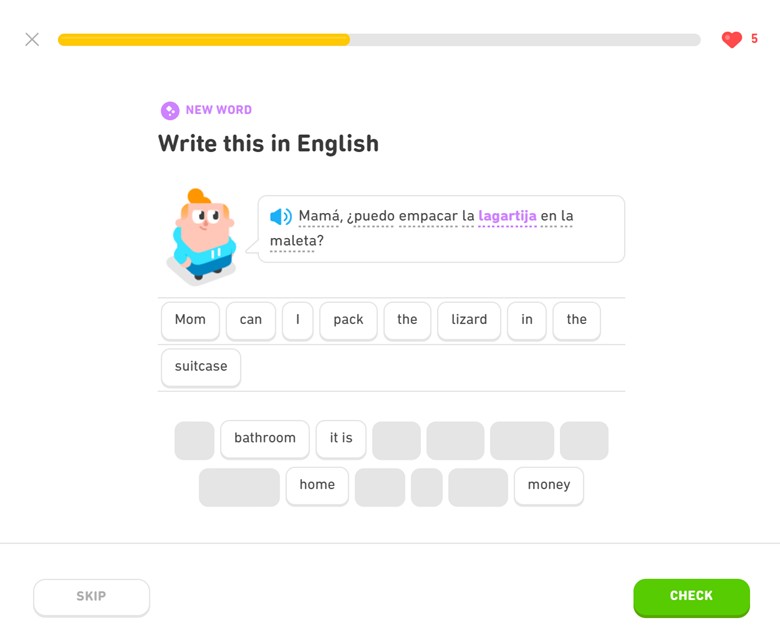
One of Duolingo’s biggest strengths is how it encourages daily practice. Streaks and reminders make it easier to remember to practice each day, and consistency is one of the most important factors in language learning. For complete beginners who don’t know where to start, Duolingo provides a simple, low‑pressure entry point.
It includes speaking and writing practice
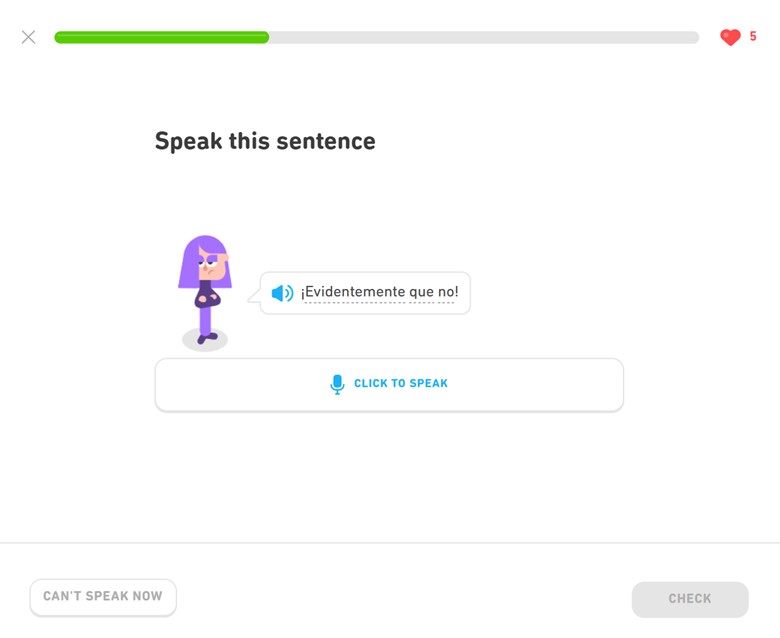
One of the things I like about Duolingo is that its exercises go beyond tapping multiple‑choice answers. You’ll get:
- Speaking prompts
- Listening exercises
- Sentence translation
The writing component is especially valuable because it forces you to produce your own sentences, which is often the hardest skill for new learners. Even short writing tasks help build confidence and reinforce grammar patterns.
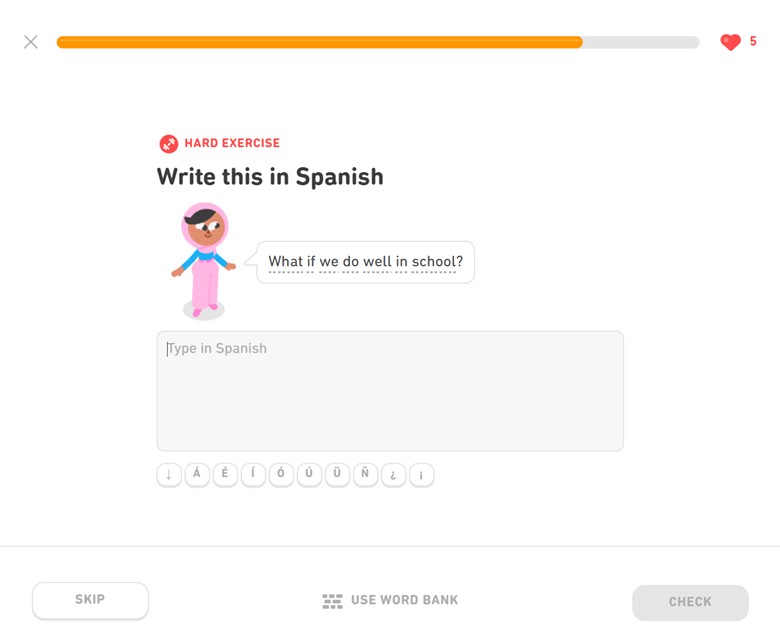
I like that most writing exercises on Duolingo allow you to make it harder for yourself and type directly into a textbox, or if you need help, you can switch back to the word bank to remember what word you want to use.
Where Duolingo Falls Short
Some sentences aren’t practical
Duolingo is known for quirky or unrealistic sentences that can be funny at times, but not always useful. This feature of Duolingo is the subject of a lot of memes and community discussion, like in this funny Dreaming Spanish video! While these weird sentences can help you remember vocabulary, they don’t always reflect real conversation. If your goal is to speak naturally with native speakers, you’ll eventually need more authentic input.
Progress can feel slow or superficial
Many learners report long streaks without feeling significantly more fluent. This definitely happened to me; I had a streak of over a year when I was a beginner in Spanish on Duolingo, and eventually realized I had barely progressed at all by the end. I barely logged in every day to keep my streak, but did not engage with new material for very long. This often happens because Duolingo focuses heavily on recognition rather than deep understanding. You may get very good at tapping the right answer, but not necessarily at holding a conversation. At least keeping my streak was good for maintaining my level and not forgetting what I had previously learned.
Bugs and quality issues
Some users describe cons with Duolingo’s software. This blog post describes a user’s experience with the speech recognition software being poor because it sometimes falsely marks you correct and doesn’t give real feedback.
So… Is Duolingo Effective?
Duolingo is effective for what it’s designed to do: build habits, introduce vocabulary, and help beginners get comfortable with a new language. It’s accessible and motivating.
But Duolingo alone is not enough to reach conversational fluency. To truly advance, you’ll need to supplement it with:
- Native level listening (podcasts, YouTube, shows)
- Real conversations with tutors or language partners
- Reading materials at your level
- Well designed flashcards
- Grammar explanations from textbooks or other apps
Think of Duolingo as a starting point, not a complete language learning system.
Leave a Reply